
The Wonders of Volcanoes: Earth's Fiery Marvels
Author: Abdul Hajees S | Date: December 1, 2024
Introduction
Volcanoes are one of Earth's most awe-inspiring natural phenomena. These geological wonders are powerful reminders of our planet's dynamic interior. From the gentle flow of Hawaiian lava to the explosive fury of Mount St. Helens, volcanoes shape the landscape, impact ecosystems, and influence human lives.
1. What is a Volcano?
A volcano is a rupture in Earth's crust that allows molten rock, ash, and gases to escape from below the surface. These eruptions can be gentle, creating new land, or violent, causing widespread devastation.
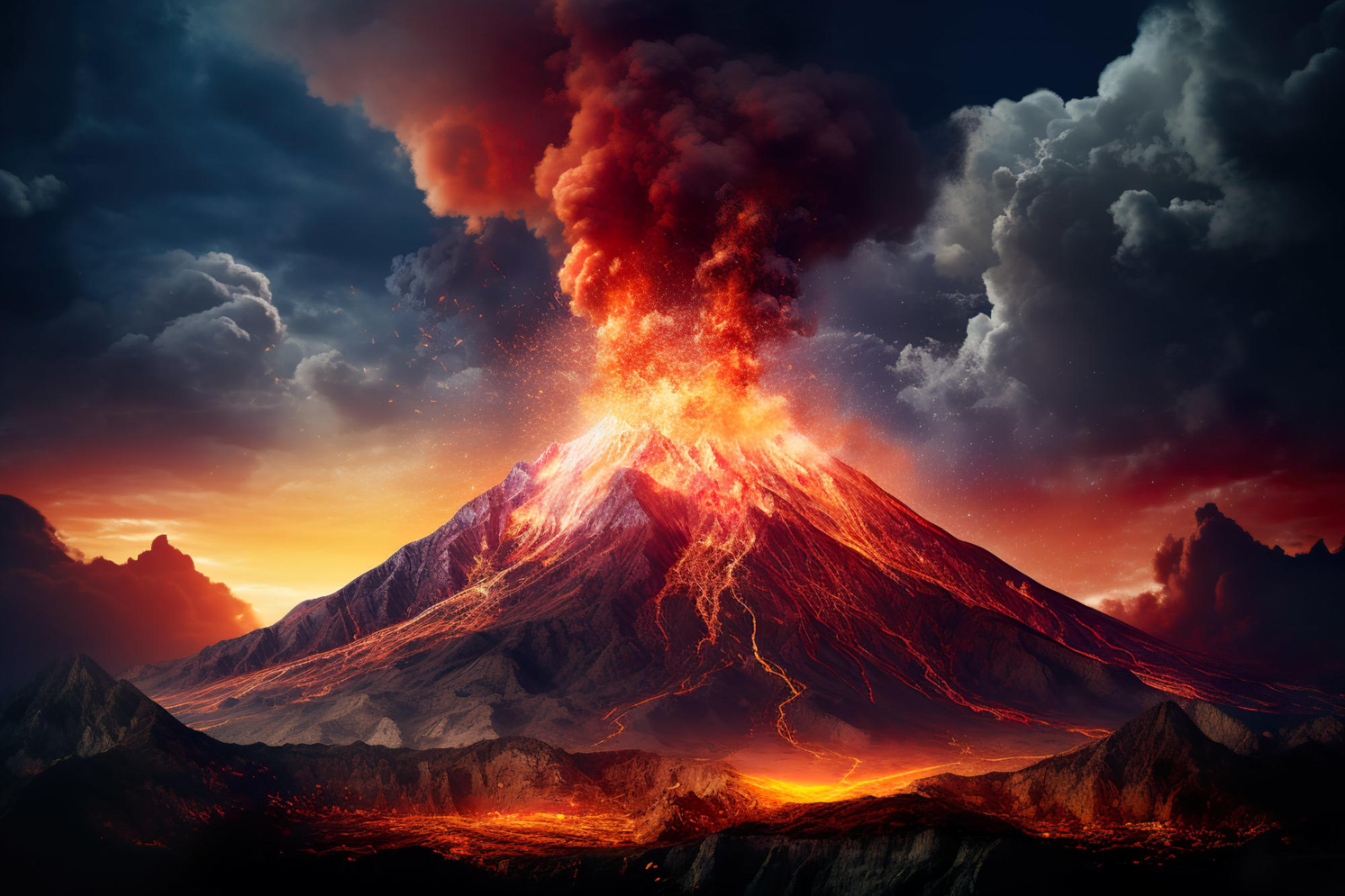
Volcanoes are typically found at tectonic plate boundaries, where plates converge or diverge. Some also form at hotspots, where magma rises through the crust, such as the Hawaiian Islands.
2. Types of Volcanoes
Volcanoes come in various shapes and sizes, classified into three main types:
- Shield Volcanoes: These have gentle slopes formed by fluid lava flows, like Mauna Loa in Hawaii.
- Stratovolcanoes: Known for explosive eruptions, these cone-shaped volcanoes, such as Mount Fuji, are built by alternating layers of lava and ash.
- Cinder Cone Volcanoes: Smaller, steep-sided volcanoes made of volcanic fragments, like Parícutin in Mexico.
3. The Process of Eruption
Volcanic eruptions are driven by pressure from gases dissolved in magma. As magma rises, the pressure decreases, causing gases to expand and force the magma out. The eruption can vary from quiet lava flows to violent explosions, depending on the magma's composition and viscosity.

Eruptions can produce lava flows, pyroclastic flows, ash clouds, and volcanic gases, all of which pose unique hazards.
4. Impact of Volcanoes
Volcanoes have profound effects on the environment and humanity:
- Positive Impacts: Volcanic soils are rich in nutrients, supporting agriculture. Volcanic eruptions also create stunning landscapes and geothermal energy sources.
- Negative Impacts: Explosive eruptions can destroy habitats, displace communities, and disrupt air travel due to ash clouds.
5. Famous Volcanoes
Several volcanoes have earned fame for their dramatic eruptions or historical significance:
- Mount Vesuvius: Its eruption in 79 AD buried Pompeii, preserving it in ash.
- Krakatoa: The 1883 eruption in Indonesia caused tsunamis and altered global weather.
- Eyjafjallajökull: In 2010, this Icelandic volcano disrupted air travel across Europe.
Conclusion
Volcanoes are both creators and destroyers, showcasing Earth's immense power and beauty. Understanding their mechanisms helps us appreciate their role in shaping our world and prepares us to mitigate their risks.
Read More BlogsSponsored by
This Content Sponsored by Buymote Shopping App
Buymote E-Shopping Application is one of the top online shopping apps.
Now available on Play Store & App Store (Buymote E-Shopping).
Click Below Link and Install Application: https://buymote.shop/links/0f5993744a9213079a6b53e8
Sponsor Content: #buymote #buymoteeshopping #buymoteonline #buymoteshopping #buymoteapplication


0 Comments