
Hyperreality: Living in the Simulation Age
Author: Abdul Hajees S | Date: January 19, 2025
Introduction
In a world increasingly dominated by digital experiences, the line between reality and illusion has become blurred. This phenomenon, known as hyperreality, describes a state where simulations and representations replace or become more real than reality itself. In this post, we’ll delve into what hyperreality means, how it shapes our perception of the world, and its implications for the simulation age.
1. Understanding Hyperreality
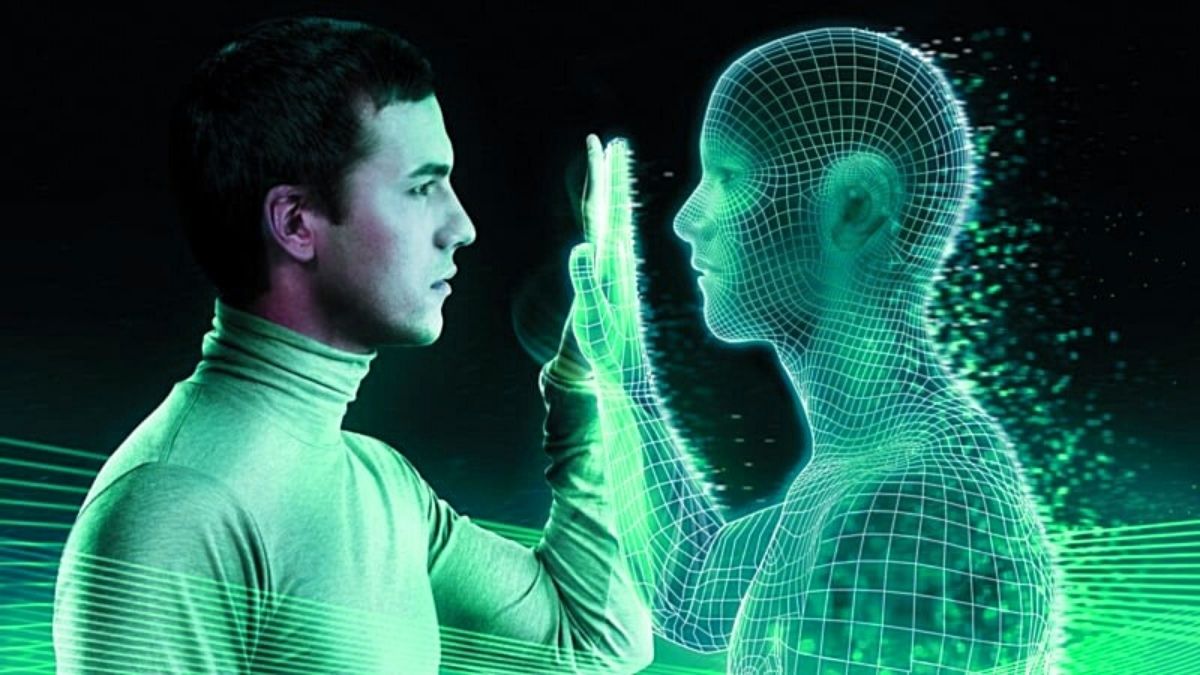
The term “hyperreality” was popularized by the French philosopher Jean Baudrillard, who argued that modern society replaces reality with simulations. In hyperreality, representations like virtual worlds, augmented reality, and media spectacles become indistinguishable from—or even replace—reality itself. For instance, social media profiles often project curated identities that overshadow the complexity of real life.
2. The Rise of Simulations
Advances in technology, from virtual reality (VR) to augmented reality (AR), are creating immersive experiences that simulate real-world interactions. Platforms like the Metaverse, where users interact in fully digital environments, exemplify hyperreality. These experiences often feel more engaging than physical reality, leading to a preference for the simulated over the tangible.
3. Hyperreality in Everyday Life
Hyperreality isn’t limited to VR and AR—it’s everywhere. Think of advertisements that sell lifestyles instead of products, reality TV shows that script “authentic” experiences, or video games that mimic life so closely they become alternate realities. These examples show how hyperreality shapes perceptions, behaviors, and even cultural norms.
4. The Psychological and Social Impacts
While hyperreality offers exciting possibilities, it also raises concerns. Living in a world dominated by simulations can lead to detachment from reality, reducing our ability to discern truth from illusion. Social interactions increasingly mediated by digital platforms can create loneliness, anxiety, and a distorted sense of self-worth.
5. Navigating the Simulation Age
To thrive in the simulation age, individuals must cultivate media literacy and mindfulness. This means questioning the authenticity of digital experiences, balancing virtual interactions with real-world connections, and finding ways to engage with reality that feel meaningful and grounded.
Conclusion
Hyperreality is redefining how we experience the world, blurring the lines between the real and the simulated. As we continue to innovate and embrace digital technologies, it’s essential to remain aware of their impact on our perception of reality. By understanding hyperreality and its effects, we can make informed choices about how to engage with the simulation age.
Read More BlogsSponsored by
This Content Sponsored by Buymote Shopping App
Buymote E-Shopping Application is one of the top online shopping apps.
Now available on Play Store & App Store (Buymote E-Shopping).
Click Below Link and Install Application: https://buymote.shop/links/0f5993744a9213079a6b53e8
Sponsor Content: #buymote #buymoteeshopping #buymoteonline #buymoteshopping #buymoteapplication


0 Comments