
The Evolution of Crypto Mining: From CPUs to Specialized ASICs
Author: Abdul Hajees S | Date: January 12, 2025
Introduction
Cryptocurrency mining has become a crucial part of the digital currency ecosystem. Initially, mining was a simple process, carried out by regular CPUs (Central Processing Units) in personal computers. However, as cryptocurrencies like Bitcoin gained in popularity and value, mining evolved into a highly specialized industry, with miners using custom-built hardware like ASICs (Application-Specific Integrated Circuits) for optimal performance. In this post, we will explore how crypto mining has transformed from its humble beginnings to the massive operations that exist today.
1. The Birth of Crypto Mining: CPU Mining
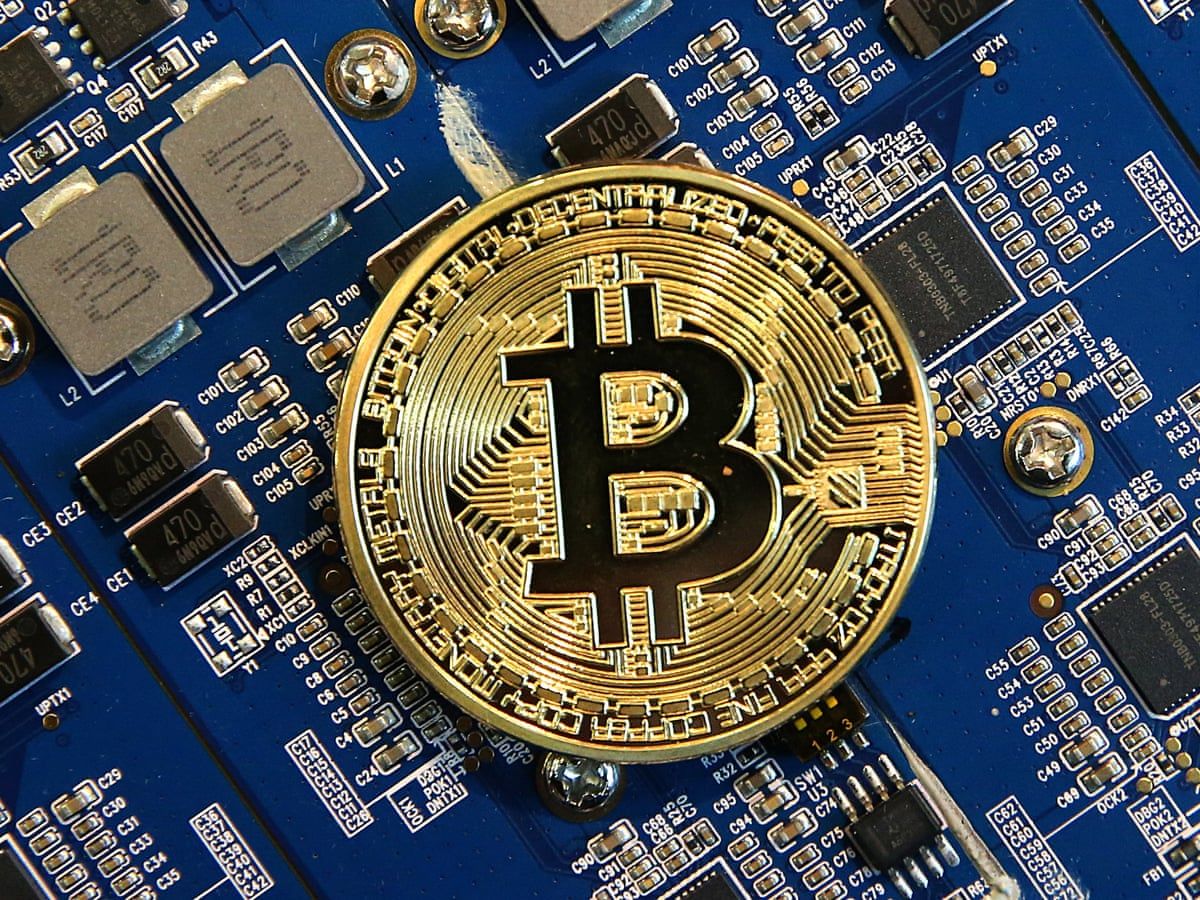
The first era of cryptocurrency mining began with CPUs, which were already a part of everyday computers. Bitcoin's mining algorithm, Proof of Work (PoW), could be mined using standard CPUs, and early miners ran the software on their personal computers. However, the processing power of CPUs was relatively limited, making it difficult to mine Bitcoin profitably as its popularity grew.
2. Transition to GPU Mining: More Power, Less Energy
As Bitcoin’s price rose, so did the competition. Miners turned to GPUs (Graphics Processing Units), which provided significantly higher computational power than CPUs. GPUs were originally designed for rendering graphics in video games but proved to be much better suited for the parallel processing required in crypto mining. This shift led to the formation of mining pools, where miners combined their resources to increase their chances of earning rewards.
3. ASIC Mining: The Game Changer
The next step in mining evolution was the introduction of ASIC miners. These machines are custom-built specifically for mining certain cryptocurrencies like Bitcoin. ASICs outperform GPUs and CPUs by orders of magnitude, making them highly efficient but also expensive. Their speed and energy efficiency changed the landscape of mining, leading to the rise of large-scale mining farms, especially in countries with lower electricity costs.
4. The Environmental Impact of Crypto Mining
While ASIC mining has led to better efficiency, it has also raised concerns about the environmental impact of cryptocurrency mining. ASICs consume a significant amount of electricity, contributing to the carbon footprint of the mining process. Some have called for the use of renewable energy sources in mining operations to reduce the environmental harm. The debate continues, with some cryptocurrencies exploring alternatives to energy-intensive mining methods.
5. The Future of Crypto Mining
As cryptocurrencies evolve, so too does the mining industry. New mining technologies, such as quantum computing and proof-of-stake (PoS), are being explored as alternatives to the energy-heavy proof-of-work model. These innovations aim to make mining more sustainable and decentralized, reducing its reliance on centralized mining farms.
Conclusion
From CPU mining in the early days of Bitcoin to the rise of ASIC miners, the crypto mining landscape has undergone a remarkable transformation. While mining technology has advanced, so have the challenges, particularly with regard to energy consumption and environmental impact. As the industry continues to evolve, it will be interesting to see how new technologies shape the future of cryptocurrency mining.
Read More BlogsSponsored by
This Content Sponsored by Buymote Shopping App
Buymote E-Shopping Application is one of the top online shopping apps.
Now available on Play Store & App Store (Buymote E-Shopping).
Click Below Link and Install Application: https://buymote.shop/links/0f5993744a9213079a6b53e8
Sponsor Content: #buymote #buymoteeshopping #buymoteonline #buymoteshopping #buymoteapplication


0 Comments